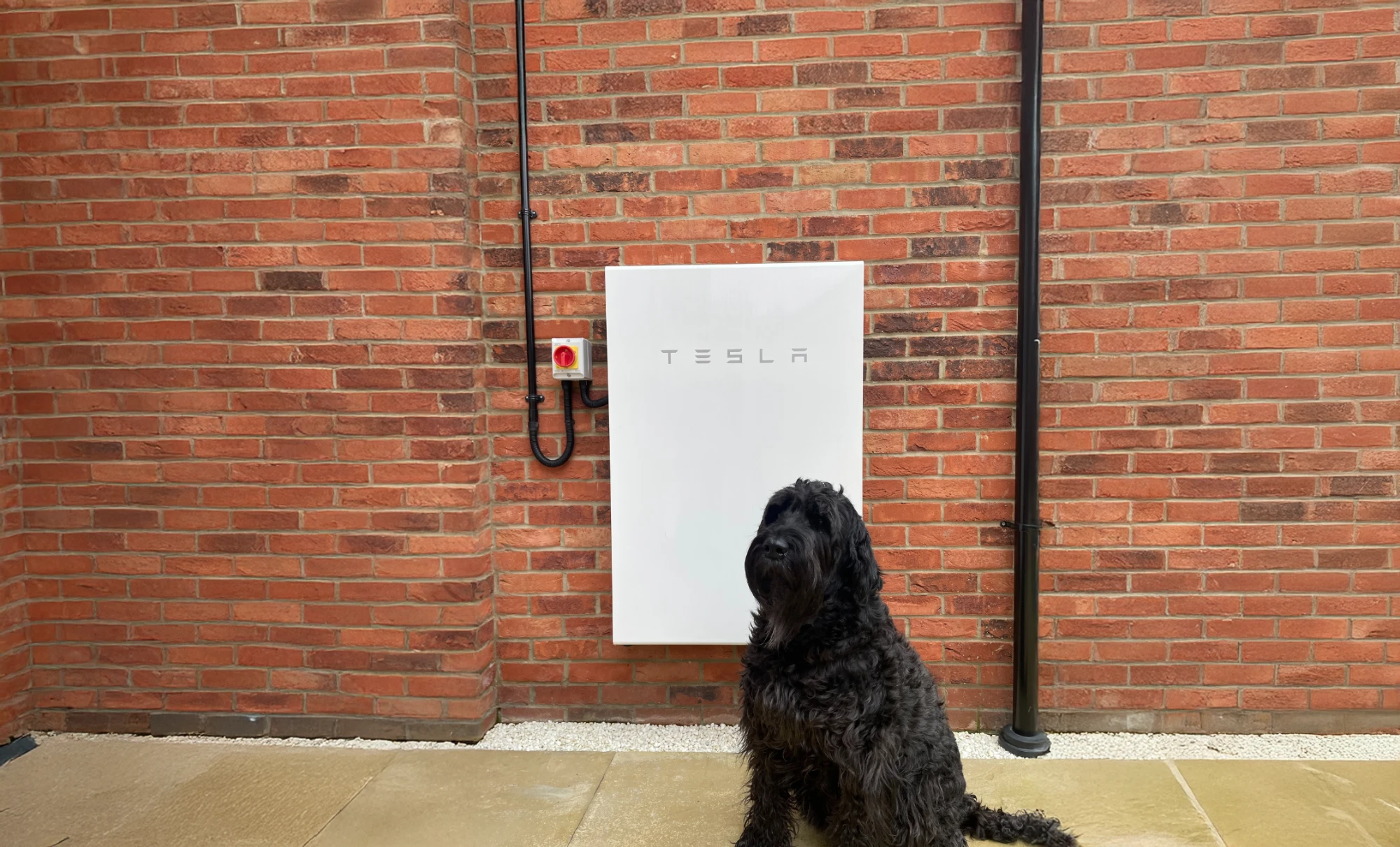
Last week the government asked every household in the UK to be ready to cope for up to 72 hours without everyday services, electricity included. A day later, Storm Austen left around 31,000 homes in the South West in the dark. And since the summer, the grid operator has had powers to switch areas off in rolling three-hour blocks if supply ever runs short.
None of that means the lights are about to go out. But it has a lot of people asking the same question: if I’ve got solar panels and a battery, am I covered?
For most homes, the honest answer is no. A standard home battery shuts down in a power cut, and so do your solar panels. To keep things running you need home battery backup, which means a backup gateway or emergency power supply (EPS) fitted alongside the battery.
Here’s how it works, what Tesla, Sigenergy and Fox ESS each offer, and how to find out whether your home can have it.
Why is everyone talking about power cuts this winter?
Three stories have landed in the space of a few weeks.
72 hours
The government’s advice: be ready to cope this long without power
31,000
Homes in the South West left in the dark by Storm Austen
3 hours
The rolling blackout blocks the grid operator can now run
On 22 October the Cabinet Office launched its Be Ready campaign, asking households to plan for up to 72 hours without power, water, phone or internet. The advice covers a torch, a wind-up radio, a power bank and some cash. It also points out that a long power cut can stop your broadband, your heating and card payments, because most gas boilers need electricity to run.
The next day, Storm Austen brought 80mph winds to the South West and knocked out power to tens of thousands of homes.
And in August, the National Energy System Operator (NESO) was given new emergency powers to run rolling three-hour blackouts, with at least eight hours’ notice, if the grid ever ran short.
Some perspective helps. The government has been clear this isn’t a warning that something is about to happen, and most power cuts in Britain are local and short. If yours goes off, call 105 to reach your network operator. But if you want your home to keep running when the grid doesn’t, that’s exactly what battery backup is for.
Will my solar panels and battery work in a power cut?
Not unless backup has been fitted. It catches a lot of people out.
When the grid goes down, engineers need to work on the lines safely. So every grid-connected solar panel system and battery is designed to stop sending power out the moment the grid disappears. Without a way to cut your home off from the grid first, the simplest safe option is for the whole system to switch off.
That means you can have a sunny afternoon, panels on the roof and a full battery in the garage, and still be sitting in the dark.
What is a backup gateway or emergency power supply (EPS)?
Think of it as a smart switch that sits between your home and the grid.
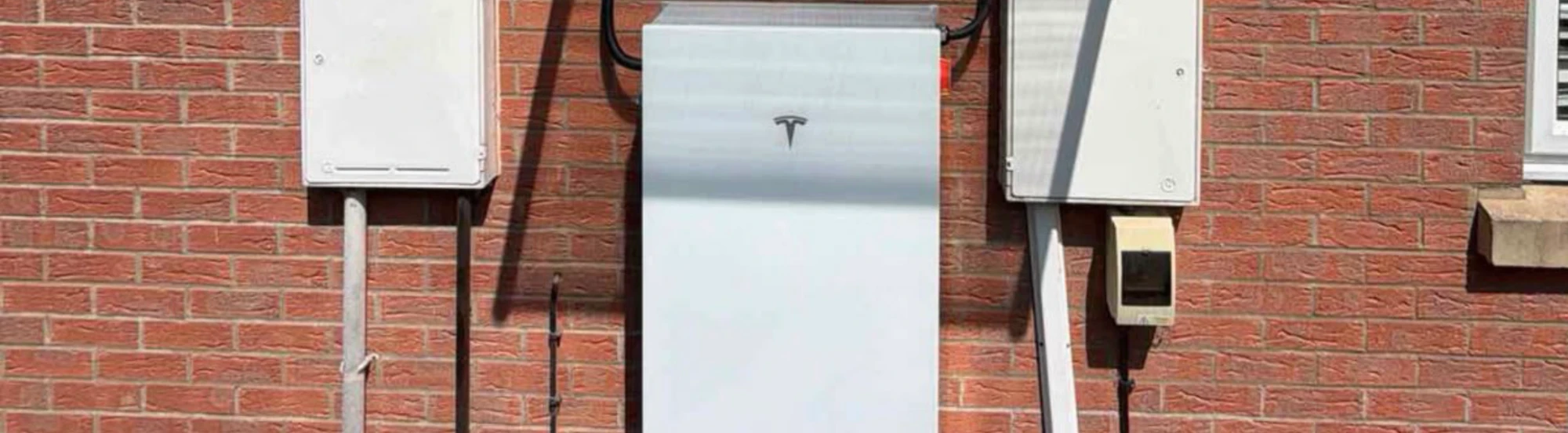
When it spots a power cut, it disconnects your house from the grid. Once your home is safely on its own (installers call this “islanding”), your battery takes over and your solar panels can keep generating. When the grid comes back, it reconnects you automatically and life carries on.
The better systems switch over in a fraction of a second. Most of the time you won’t even notice the lights flicker, and your router and TV stay on.
Whole home backup or essential circuits?
There are two ways to set it up.
Whole home backup
Keeps everything in the house powered, from the lights to the oven. It’s the most seamless option, but a kettle, an electric shower and a cooker all running at once will drain any battery quickly.
Essential circuits backup
Powers only the circuits you choose, typically the fridge and freezer, lights, sockets for the router and phone chargers, and the boiler. It’s simpler to fit and makes your battery last much longer.
Heating is worth planning in from the start. Most gas boilers won’t fire without electricity, so a boiler on a backed-up circuit keeps you warm in a winter outage. If you have a heat pump, it’s a bigger load, and we’ll talk you through whether it makes sense to include it.
Home battery backup compared: Tesla, Sigenergy and Fox ESS
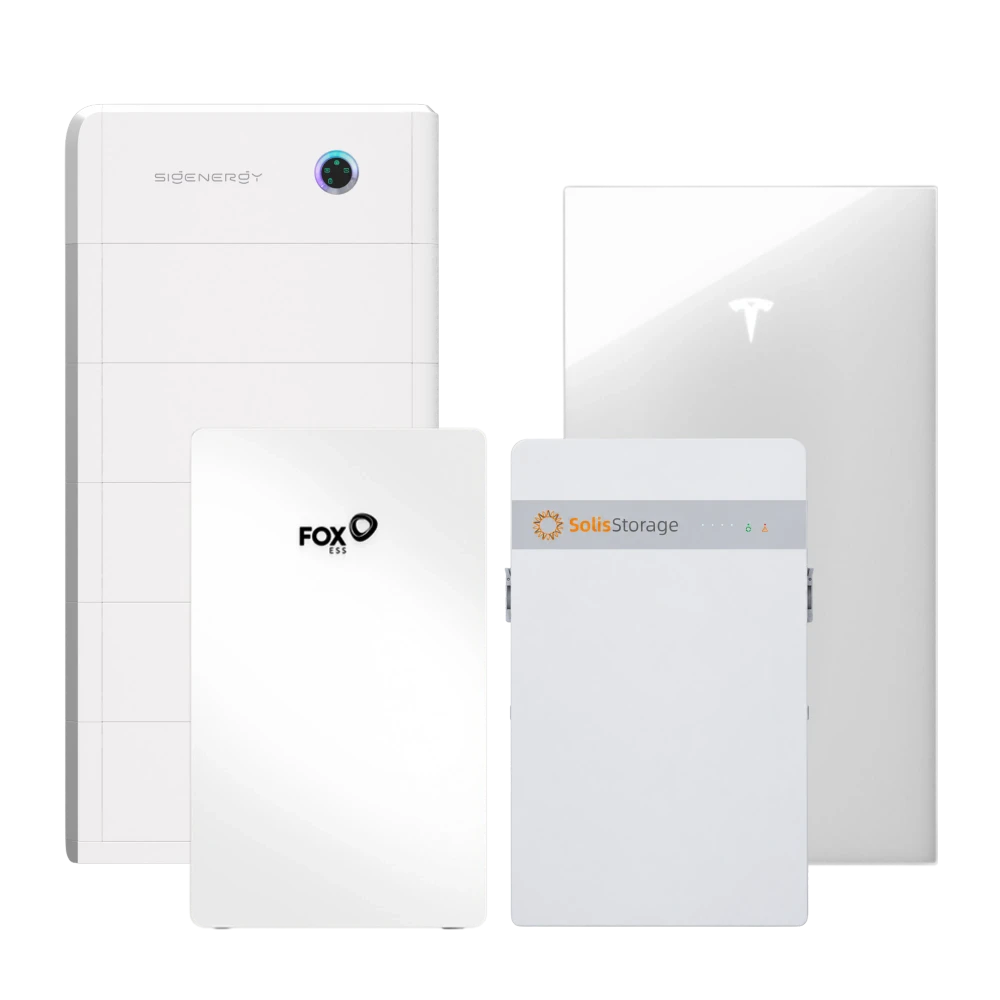
We fit all three, and each takes a slightly different approach. The right one depends on your home, how many phases your supply has, and what you want kept running.
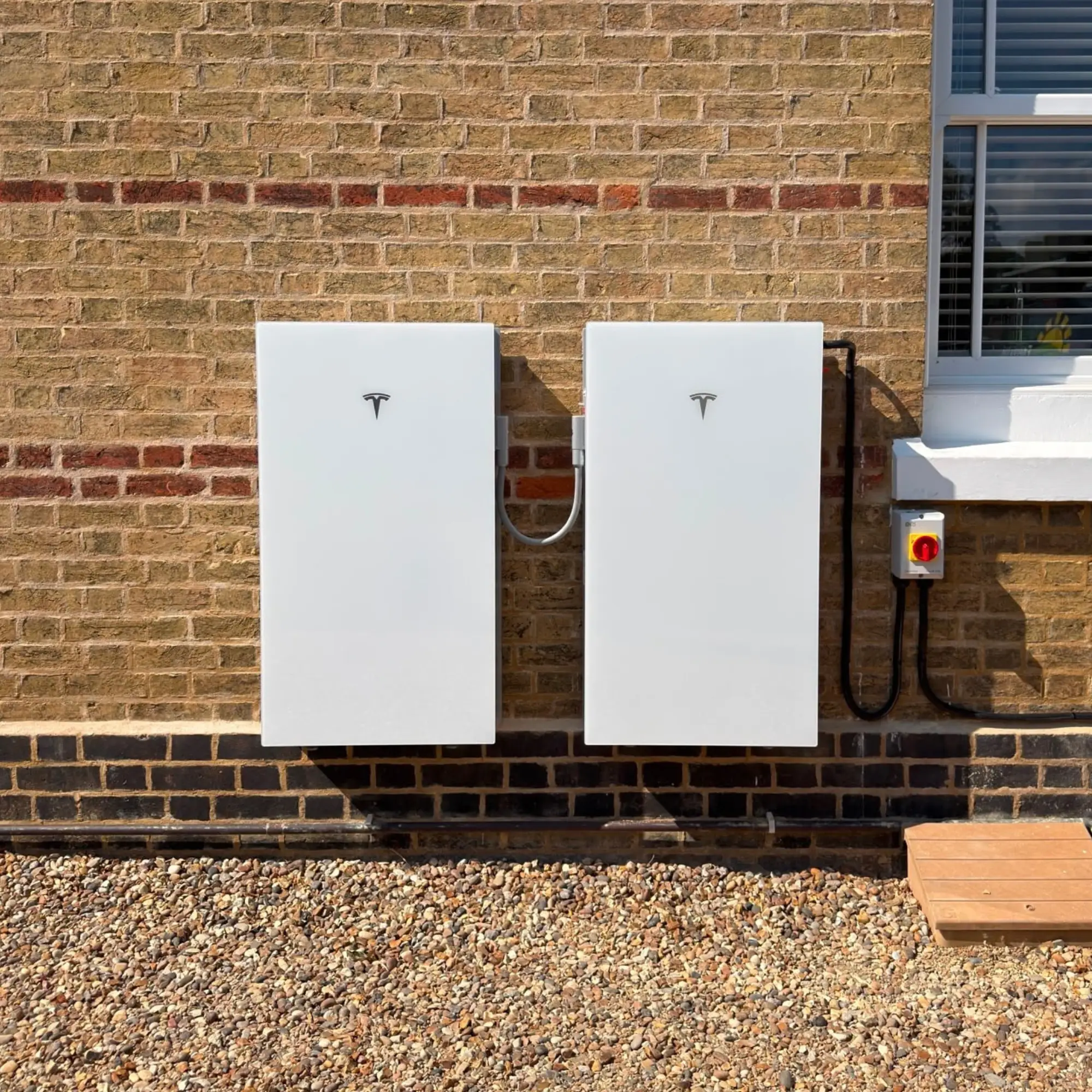
Tesla Powerwall 3: whole home backup as standard
The Powerwall 3 comes with Tesla’s Backup Gateway 2, so backup isn’t an extra, it’s part of the system. It stores 13.5 kWh and can deliver up to 11.5 kW continuously, which is enough to run most of a normal home, including the kettle and oven (just not everything at full tilt at once).
It also has a solar inverter built in, so your panels keep working with the battery during an outage. It’s our go-to for single-phase homes that want the simplest whole-house setup.
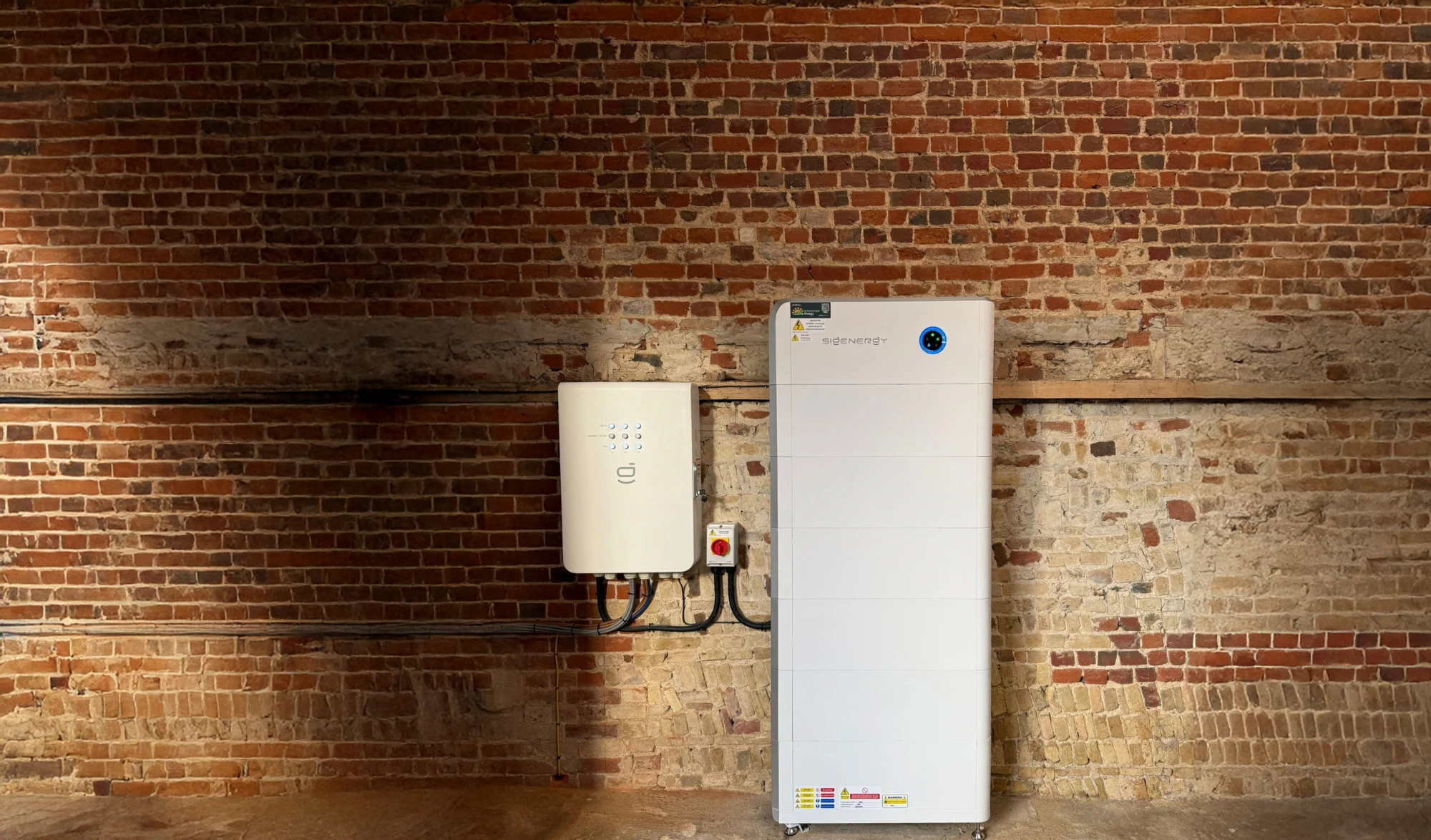
Sigenergy SigenStor: near-instant switchover and three-phase backup
Sigenergy’s battery adds backup through the Sigen Gateway, which switches over almost instantly, so sensitive kit like computers doesn’t drop out. The battery is modular, so you can start with what you need and add capacity later, and it carries a 15-year battery warranty.
It’s also the system we recommend for homes with a three-phase supply, because it can back up all three phases. Greenscape is a Sigenergy Gold installer.
Fox ESS: a straightforward route to essential circuits
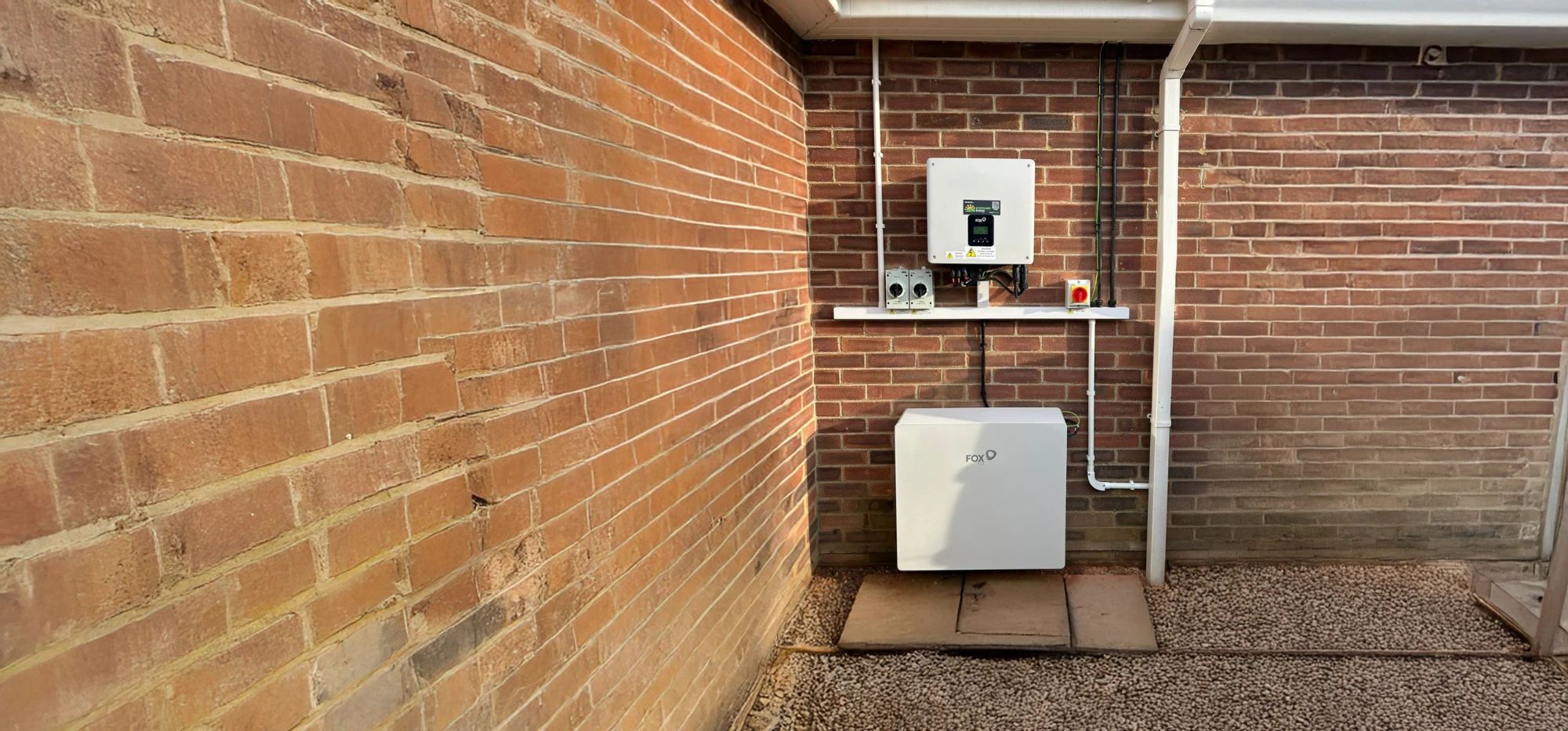
Fox ESS adds backup with its EPS box, which changes your home over to the battery automatically when the grid fails. It’s usually set up to cover essential circuits, which keeps things simple.
It works with Fox’s hybrid, AC-coupled and all-in-one systems, so if you already have a Fox battery, adding backup is often a straightforward upgrade.
At a glance
| Tesla Powerwall 3 | Sigenergy SigenStor | Fox ESS | |
|---|---|---|---|
| How backup is added | Backup Gateway 2, included | Sigen Gateway | EPS box |
| Typical coverage | Whole home | Whole home or essential circuits | Essential circuits |
| Three-phase homes | Design job, ask us | Yes, all three phases | Single phase in most homes |
| Best fit | Simplest whole-house backup | Fastest switchover, three-phase, room to grow | Existing Fox owners, essentials only |
How long will home battery backup run my house?
It depends on what you leave switched on, and that’s where you have the most control.
The essentials use surprisingly little. A fridge-freezer, a few lights, the Wi-Fi router, phone chargers and the pump on a gas boiler come to roughly 3 to 4 kWh a day in a typical home.
The big drains are anything that heats: kettles, ovens, electric showers, tumble dryers and immersion heaters. Use them sparingly during an outage and the battery goes a lot further.
Two things help in practice:
Keep a backup reserve
Most battery apps let you hold back a slice of charge for power cuts, so the battery is never empty when the grid goes down.
Charge up when warned
Rolling blackouts would come with at least eight hours’ notice, which is plenty of time to fill the battery from the grid or your panels.
Can I add backup to the battery I already have?
In many cases, yes.
Tesla Powerwall 3
Backup is already part of your system. Check the app to see how it’s been set up and what reserve you’re holding.
Sigenergy or Fox ESS
A gateway or EPS box can usually be added to the system you’ve got, without replacing the battery.
Another brand
It comes down to your inverter. Some support backup, some don’t. We’ll check yours and tell you straight.
Before any backup work, we carry out an electrical safety check (an EICR) on your home’s wiring. A backup system changes how your house connects to the grid, so it has to be done properly.
If you don’t have a battery yet, it’s far simpler to fit backup at the same time. Batteries, and backup fitted with them, are also currently at 0% VAT until 31 March 2027. Have a look at our battery storage page to see the systems we fit.
Find out if home battery backup is right for your home
The short version: a battery on its own won’t keep the lights on in a power cut. A backup gateway or EPS will. Tesla includes it as standard, Sigenergy gives you the fastest switchover and three-phase cover, and Fox is a simple way to protect the essentials.
Which one suits you depends on things we can only see in person: your consumer unit, your supply, the kit you already have and what you’d want running if the grid went down.
That’s what our free home survey is for. It takes about an hour, there’s no obligation, and you’ll come away knowing exactly what backup would look like in your home and whether it’s worth doing. We’ve been installing solar and batteries since 2012, with more than 16,000 installations behind us, so you’ll get a straight answer.
Book your free survey or call us on 01473 727727. And for more on getting the most from your system, browse our blog.