
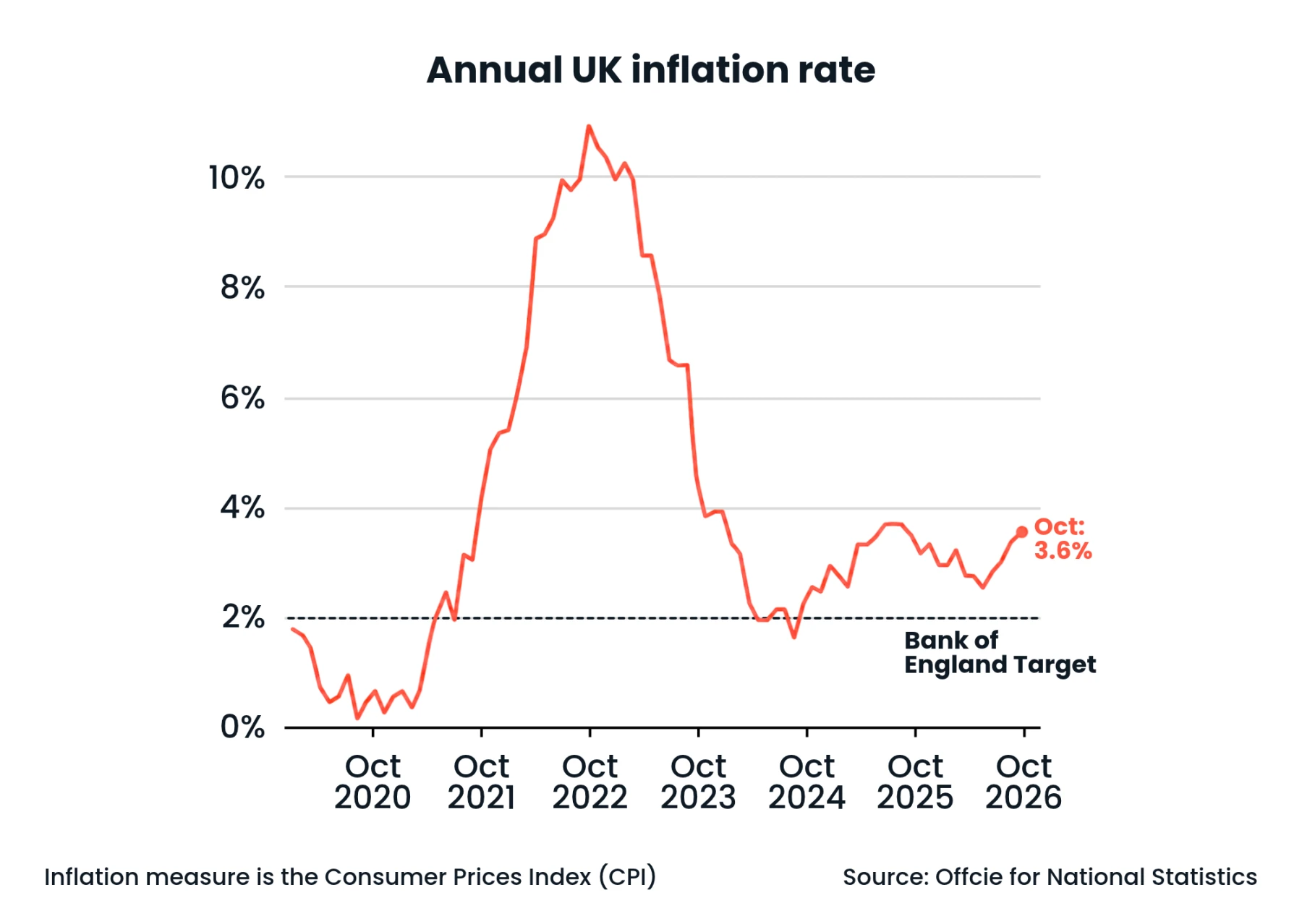
Official figures published on 18 November show UK consumer prices were 3.6% higher in the year to October, up from 3.5% in September. It is the highest inflation rate in a year, mainly because of higher petrol and diesel prices.
What the figures show
Inflation has been pushed up in recent months because the US-Israel war with Iran has driven up the cost of energy and fuel. The Office for National Statistics (ONS) said fuel prices were once again a major contributor in October. Petrol rose by 5.2p a litre between September and October, with the average price reaching 174.7p, the highest since August 2022. Diesel averaged 199.5p a litre in October, the highest price since records began 30 years ago.
Not every price went up. Price inflation in restaurants and cafés slowed, hotel prices fell on average, and food price inflation was 0.9%, the slowest pace in five years. Core inflation, which strips out energy and food costs, and services inflation were little changed on the month. The Bank of England watches core inflation closely when setting interest rates.
Energy bills are next
The larger worry for households is what happens in the new year. Consultancy Cornwall Insight forecasts that a typical household's annual gas and electricity bill will rise by 26% from January, adding about £443 a year and taking it to £2,166. The official announcement is due next week.
The government has said it is helping households with energy costs. VAT on electricity bills has been cut to zero until next July (July 2027), and 20 million homes will receive a £100 payment in January, a measure announced in the Budget. Cornwall Insight's view is that this support can only chip away at the edges of a bill that continues to be pushed up by events in the Middle East.

Interest rates and the outlook
Earlier this month the Bank of England raised interest rates for the first time in three years, from 3.75% to 4%, to bring inflation back towards its 2% target. It signalled that a further rise could be likely unless the conflict in the Middle East is resolved.
Bank of England policymakers believe inflation could peak at 4.9% in the middle of next year and not return to 2% until 2028. In an “adverse scenario”, where the US-Iran war escalates further and sends oil prices higher, they have suggested it could reach 6.2% in 2027. With core inflation little changed in October, the Bank could opt to hold off on a further rate rise in December.
Higher rates make some mortgages, loans and credit cards more expensive to borrow on, but they can also mean better returns for savers.
What this means for your home energy
When energy and fuel prices are driven by events overseas, the electricity and heating fuel you buy are exposed to them. There are ways to reduce that exposure at home.
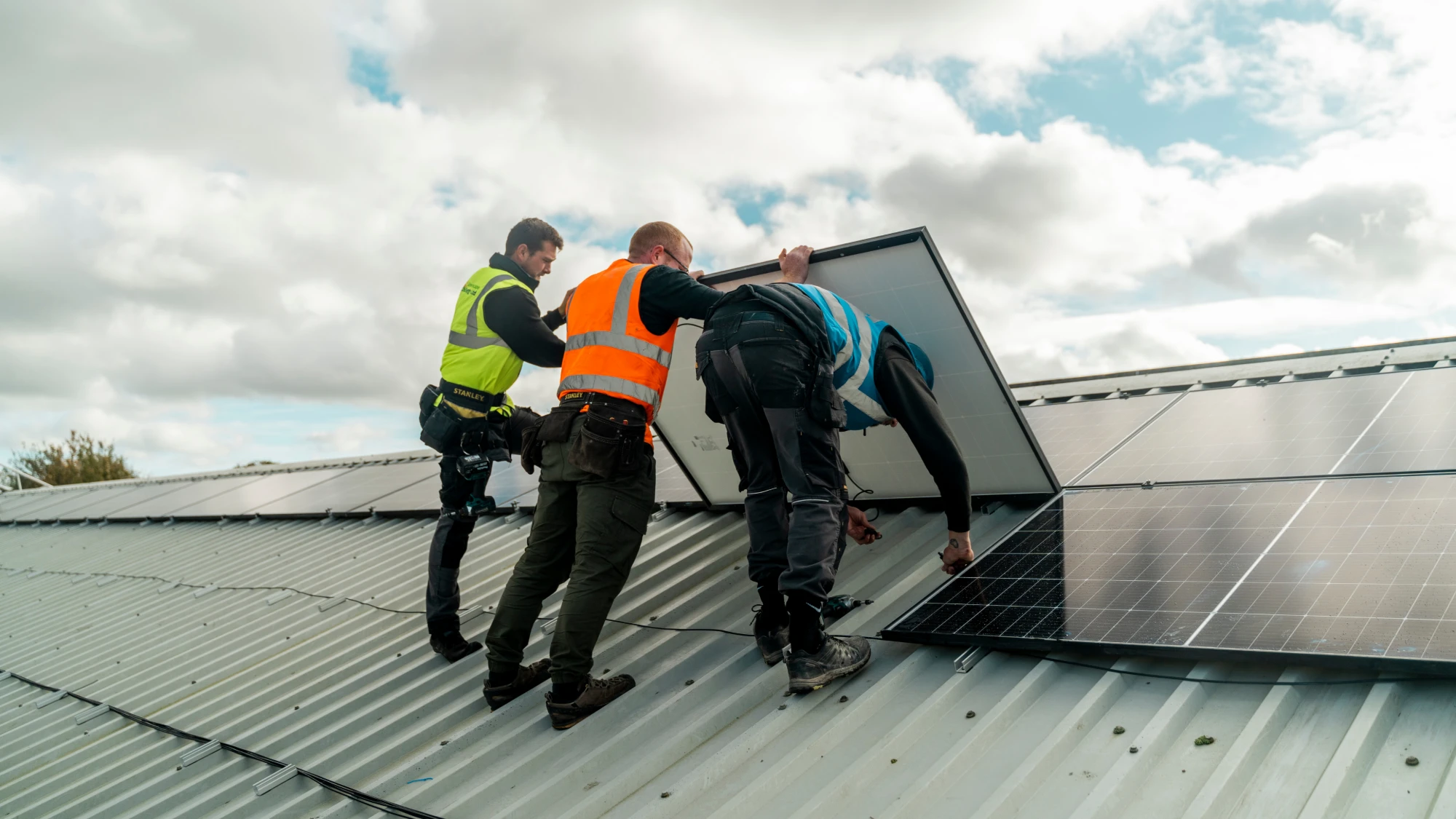
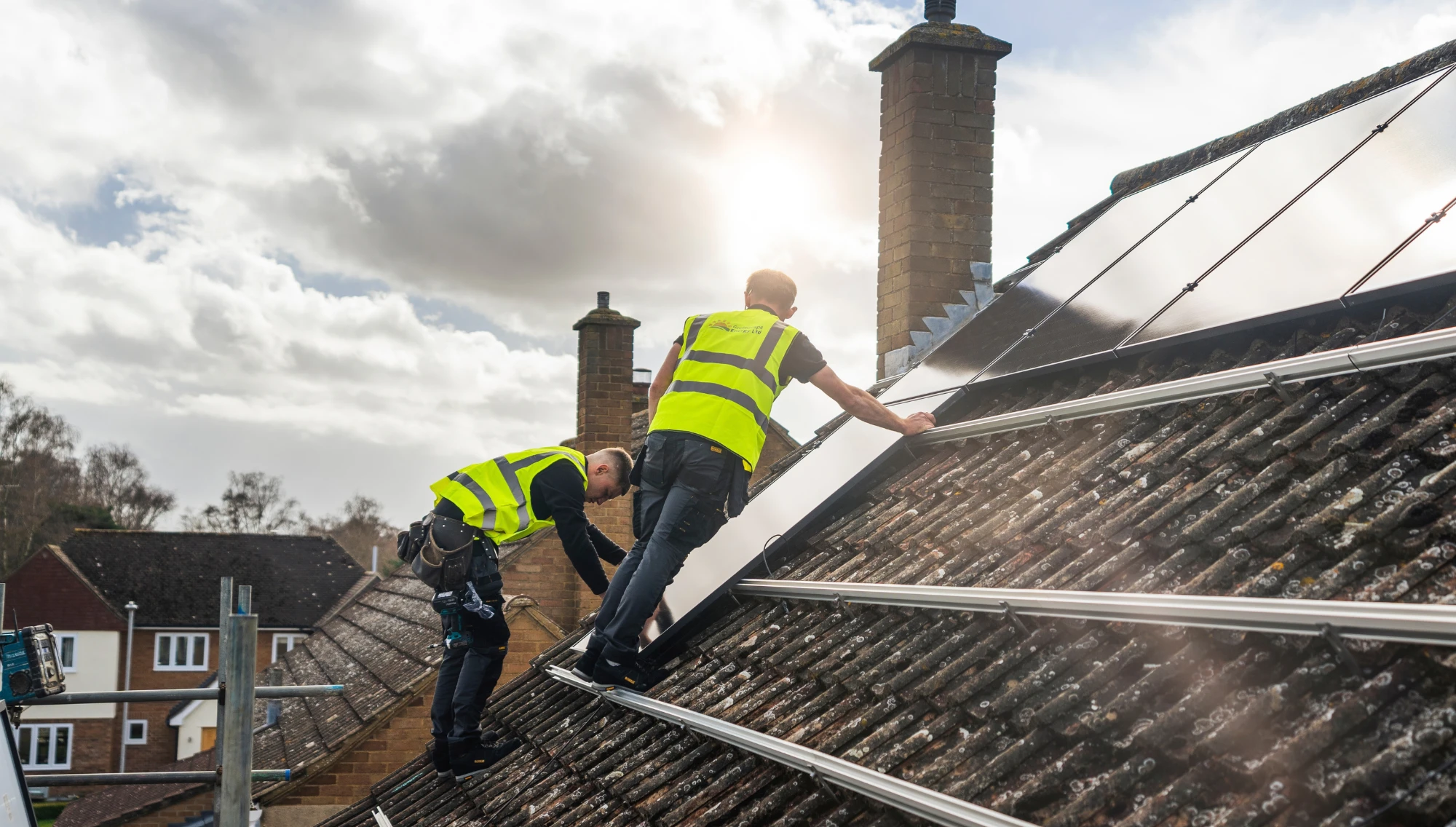
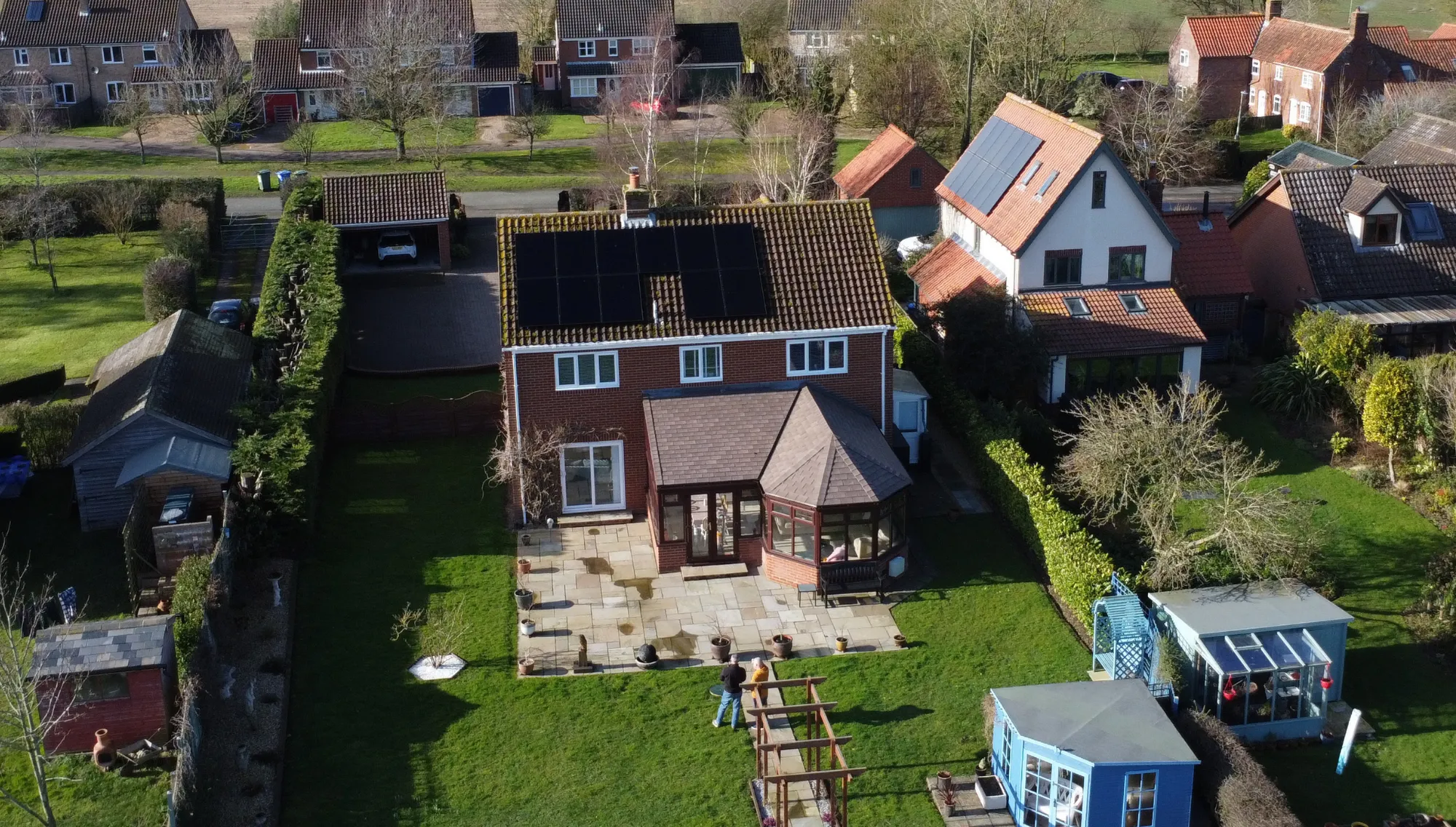
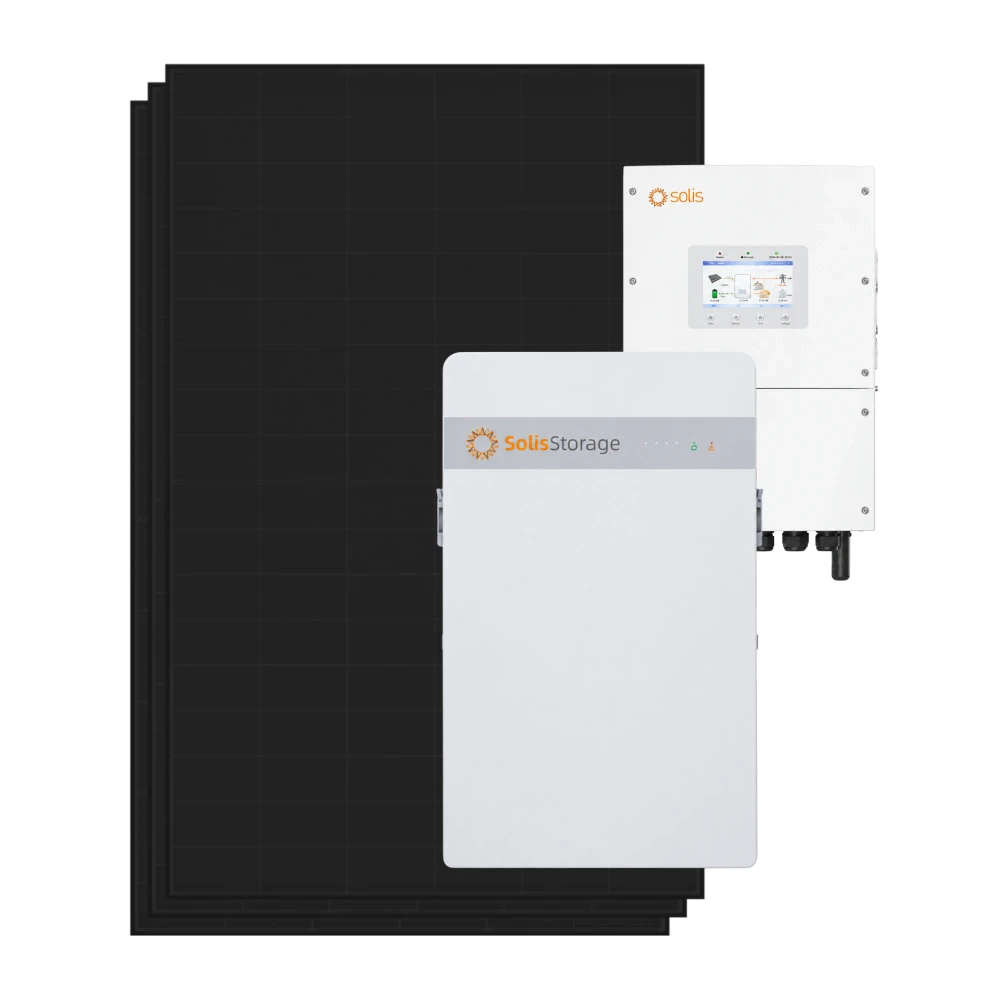
- Solar panels generate electricity on your own roof, so less of what you use has to be bought from the grid.
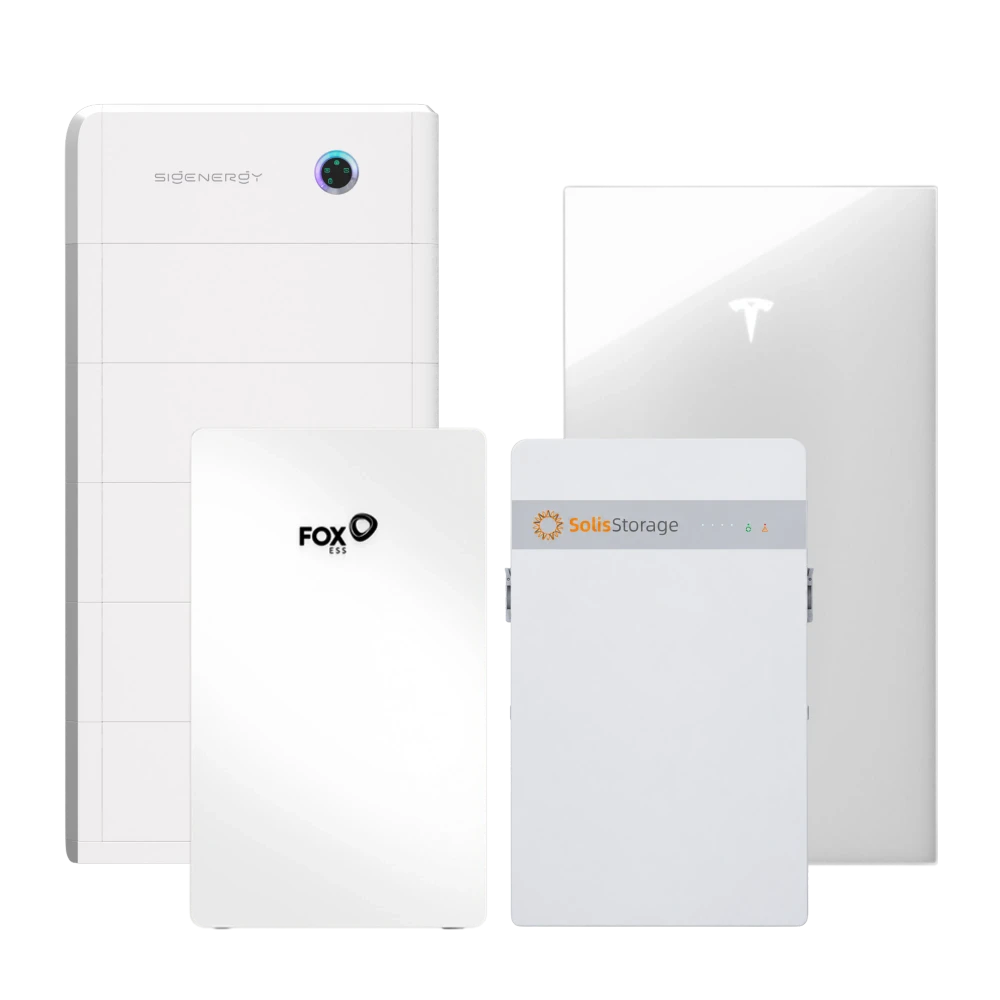
- A home battery stores spare solar power, or cheaper off-peak power, to use when prices are higher. Our guide to load shifting explains how.
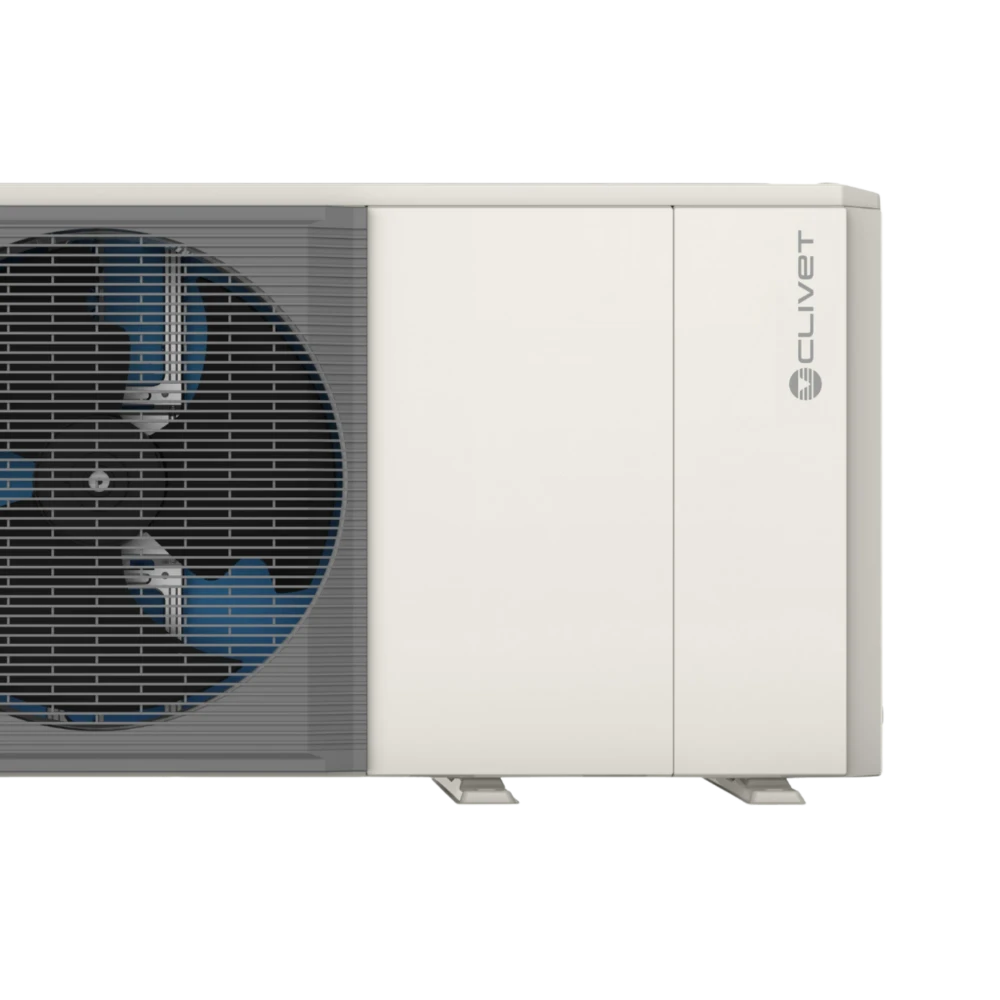
- An air source heat pump moves heat from the outside air rather than burning fuel, which can be a more efficient way to heat a home than a traditional boiler. If you heat with oil or LPG, you are also directly exposed to fuel price swings.
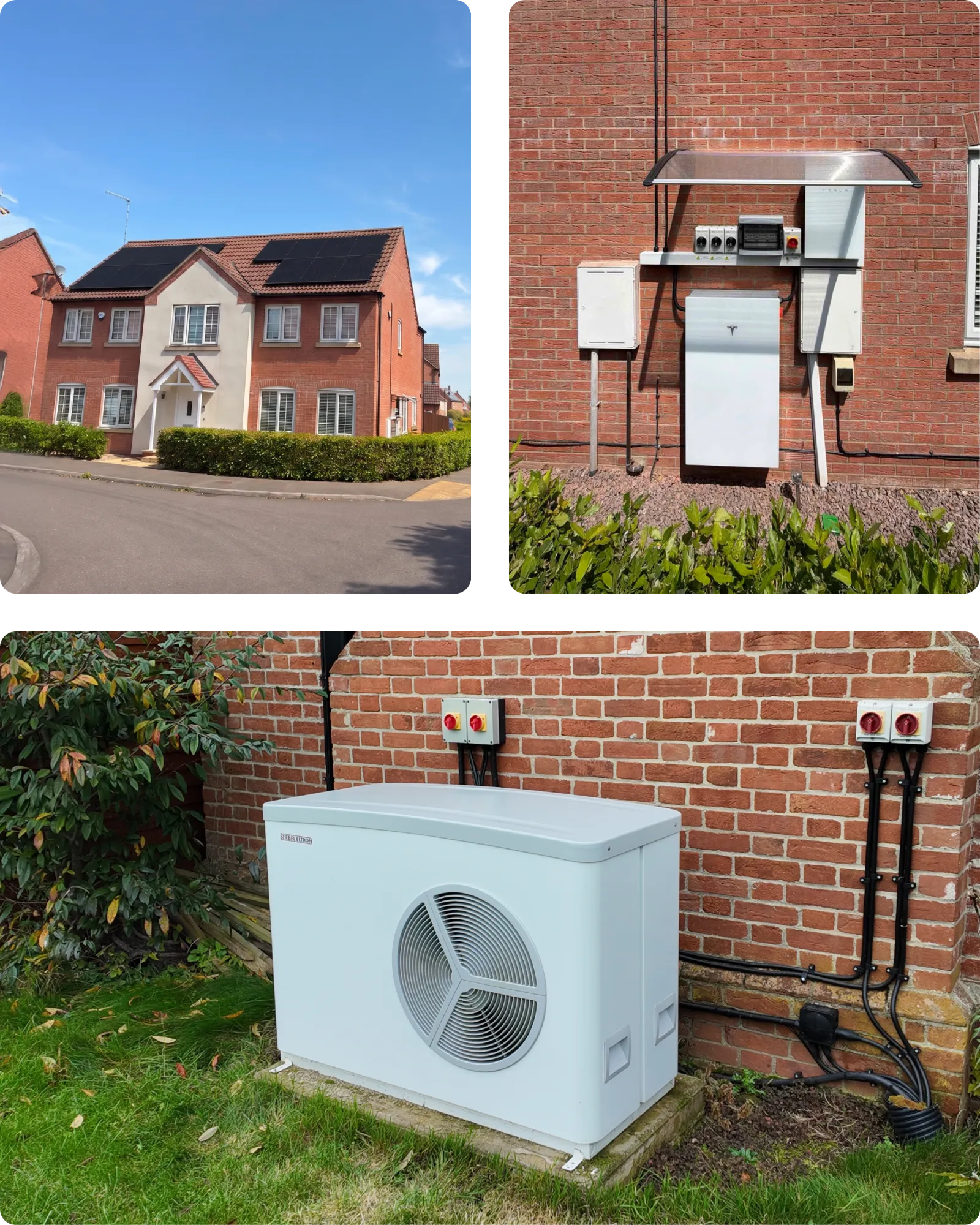
How much any of these could save depends on your home, how you use energy and your tariff, so we never give a one-size-fits-all answer. Our free survey looks at your property and your usage and recommends what suits you. You can also read more about solar, battery storage and air source heat pumps.
Figures are correct as of 18 November 2026, taken from the BBC News report below, which draws on data from the ONS, Cornwall Insight and the Bank of England.
Read the original article: Typical energy bill forecast to go up by £443 a year from January as inflation rises again (BBC News)